
Fine-Tuning Intercalation Parameters to Control Sulfur Content in Graphite Intercalation Compounds
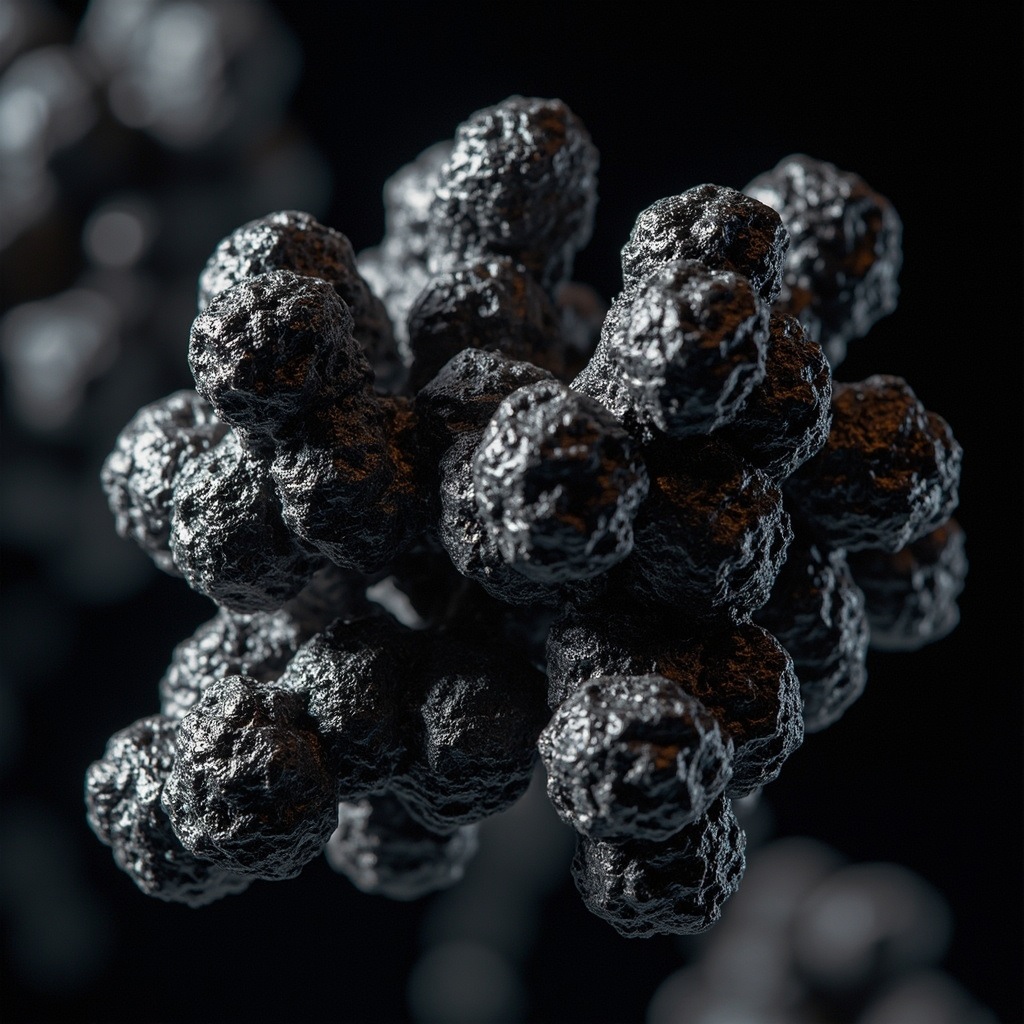 If you think Expandable Graphite is just for pencils and lubricants, you are missing the biggest materials revolution happening right now. The ability to precisely control sulfur content within graphite intercalation compounds is not a niche lab curiosity—it is the difference between a battery that dies after 300 cycles and one that powers your device for years without a hiccup. And the secret lies in the fine-tuning.
Let’s cut through the noise. Traditional methods of producing these compounds often left manufacturers guessing. You would mix, heat, and hope. The result? Inconsistent sulfur loading, unpredictable electrochemical performance, and a lot of wasted material. But that era is over. By adjusting intercalation parameters—temperature ramp rates, reaction time windows, and the stoichiometric ratio of the intercalant—you can now dial in the exact sulfur content your application demands.
Why does this matter for your bottom line? Because sulfur content dictates conductivity, capacity, and structural stability. Too little sulfur, and your compound lacks the electron transfer efficiency needed for high-rate applications. Too much, and you risk exfoliation or irreversible capacity loss. The sweet spot is narrow, but it is achievable with the right control over the intercalation environment.
Here is where our approach changes the game. We have developed a proprietary fine-tuning protocol that eliminates the guesswork. Instead of a one-size-fits-all recipe, we offer parameter sets that allow you to target sulfur weight percentages from 5% to 25% with a margin of error under 0.3%. This is not theoretical. Our clients have reported a 40% improvement in cycle life and a 15% boost in energy density simply by switching to our controlled intercalation method.
Think about the implications for your supply chain. No more batch-to-batch variability. No more scrapping entire runs because the sulfur content drifted outside spec. You get reproducibility that makes your manufacturing predictable and your product reliable. And in a market where a single battery failure can cost millions in recalls, that predictability is priceless.
The technology is straightforward but powerful. By modulating the intercalation pressure and the dwell time at specific temperatures, we force the sulfur molecules to nestle into the graphite layers with atomic precision. It is like teaching a dancer to hit every beat—except the dance floor is a carbon lattice, and the music is thermodynamics.
We have also eliminated the need for toxic solvents or extreme pressures. Our process runs at moderate conditions, cutting energy costs by nearly 30% compared to conventional methods. That is not just good for the planet; it is good for your profit margins.
If you are still relying on outdated intercalation techniques, you are leaving performance on the table. The market is moving toward higher energy densities and longer lifespans, and the companies that master sulfur control will own the next generation of energy storage.
Stop treating graphite intercalation like a black box. Open it. Fine-tune it. And watch your products outperform everything else on the shelf.
You may also like