
Automotive Micro Switch Design Considerations for Next-Generation Vehicles
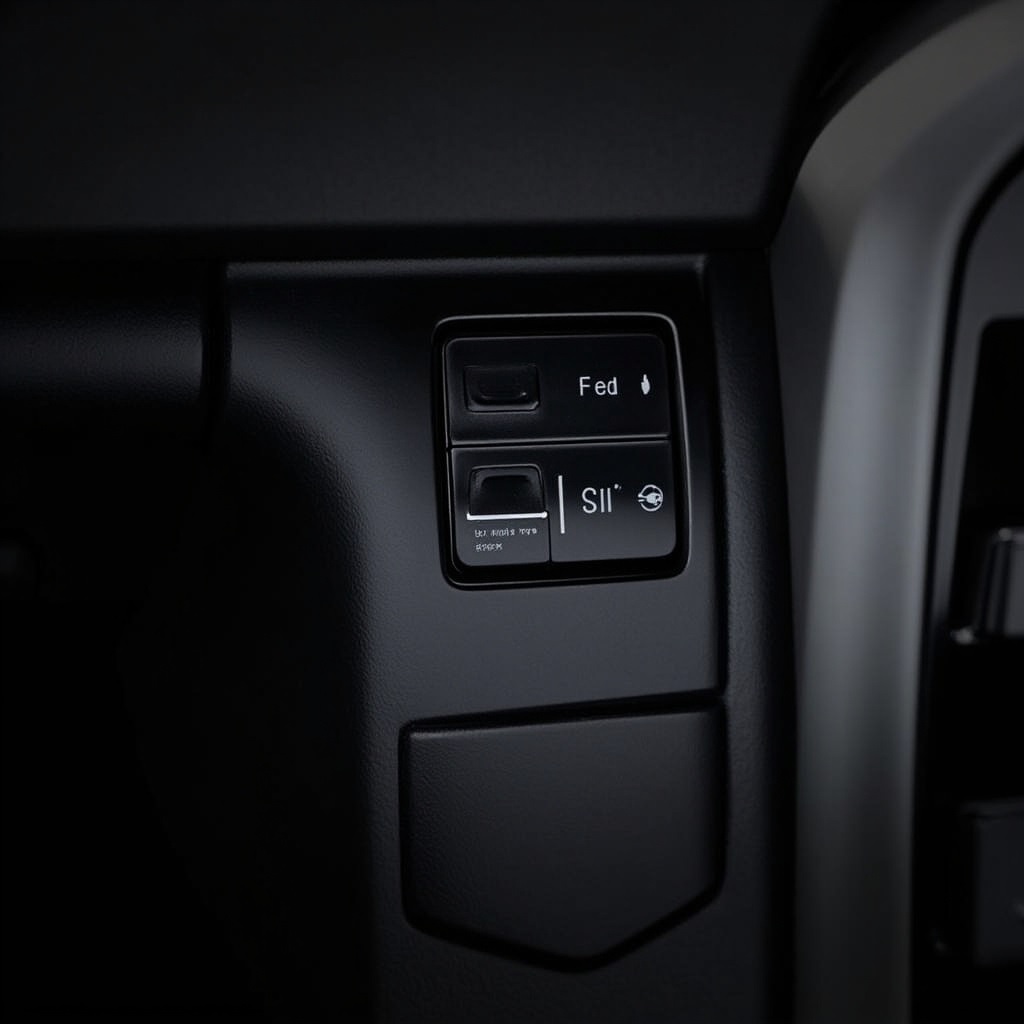
The days of a simple click are over. When you press a button in a car today, you are not just closing a circuit; you are initiating a cascade of software-driven events that can determine everything from cabin comfort to collision avoidance. For the automotive micro switch inside that button, the stakes have never been higher. Next-generation vehicles, with their shift toward autonomy, electrification, and haptic interfaces, are rewriting the rulebook for what these tiny components must endure and deliver. If you are designing for a 2028 model year, the micro switch you spec today cannot be the same one you used five years ago.
First, consider the thermal battlefield. Electric vehicles are not just about batteries; they are about heat management. Micro switches located near door handles, charging port flaps, or even steering column stalks now face ambient temperatures that swing from arctic cold to the blistering heat of a cabin left in direct sunlight while the battery is preconditioning. The plastic housing and internal contacts must maintain consistent tactile feedback across a range that can exceed -40°C to +125°C. A switch that feels mushy in winter or sticks in summer is a customer complaint waiting to happen. Material selection becomes a chemistry problem, not just a mechanical one. You need high-temperature-resistant thermoplastics that do not outgas or deform, and contact alloys that resist oxidation and creep under constant thermal cycling.
Then there is the matter of electrical load, or rather, the lack of it. Modern vehicle architectures are moving toward low-voltage, low-current signal circuits that feed directly into electronic control units. A micro switch might only need to switch 5 milliamps at 3.3 volts. This sounds easy, but it is actually a nightmare for contact reliability. Low energy means there is no arc to burn off surface contaminants. A thin film of silicone oil from assembly, a speck of dust, or even microscopic corrosion can create an insulating layer that the low voltage cannot punch through. Designers must specify gold-plated bifurcated contacts or a high-contact-force mechanism to ensure a gas-tight connection. The old standard of silver contacts for 12-volt automotive systems is often inadequate here.
Durability expectations have also shifted. While a traditional power window switch might have been tested for 100,000 cycles, a micro switch inside a haptic feedback panel for a central infotainment display may need to survive 1,000,000 cycles without losing its snap ratio. The user expects the same crisp click on the last press as the first. This demands a refined snap-action mechanism, often a pre-stressed leaf spring design, that resists metal fatigue over the life of the vehicle. The switch must also maintain its operating force within a tight tolerance, typically plus or minus 20 percent, because the human finger is remarkably sensitive to inconsistency. Unionwell has focused on this exact challenge, engineering micro switches that provide a consistent mechanical feel even after millions of actuations in high-vibration environments.
Speaking of vibration, the next-generation vehicle is a moving symphony of oscillations. Between the electric motor’s high-frequency whine, the road noise transmitted through a lighter chassis, and the rattle of components in a vehicle that no longer has a combustion engine to mask sounds, micro switches must be mechanically stable. Loose internal parts or a poorly secured actuator can create audible buzzes that drive quality engineers insane. The design must incorporate tight tolerances on the plunger guide and a positive latching method for the switch housing. Some applications even require a sealed switch with an IP67 rating to prevent dust ingress from causing erratic behavior in a shared autonomous vehicle that gets cleaned and detailed frequently.
Finally, do not overlook the software side. A micro switch in a next-gen vehicle is often part of a multiplexed system. The switch closure triggers a signal that travels over a LIN or CAN bus. This means the switch must have excellent bounce characteristics. Excessive contact bounce can confuse the microcontroller, leading to double presses or missed commands. The switch’s mechanical damping and contact material must be optimized to ensure a clean, single transition within the first few milliseconds. If the bounce time exceeds the software debounce period, you get a glitch. In a vehicle that relies on a button to engage park or activate an emergency function, a glitch is a liability.
The bottom line is that the humble micro switch is no longer a commodity buy. It is a critical interface between the human and the machine, and in an era where the machine is increasingly taking control, that interface must be flawless. Design for the extremes. Design for the cycles. And design for the silence. The next-generation vehicle will not forgive a cheap click.
You may also like